
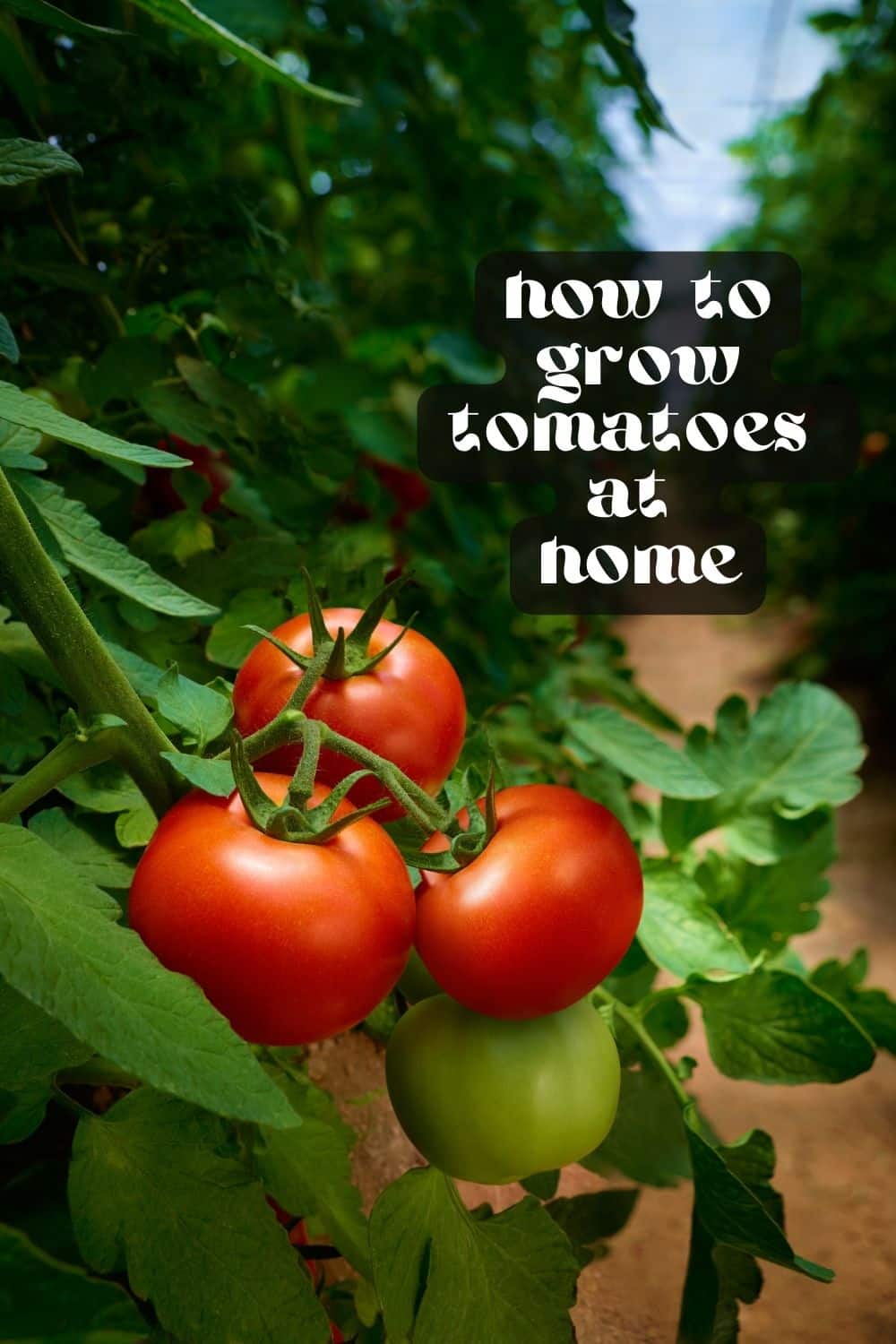
The taste of a sun-ripened tomato, still warm from the vine, is one of summer’s purest pleasures. And while grocery store tomatoes often disappoint, achieving that homegrown flavor is easier than you might think. With the right knowledge and techniques, you can unlock a bountiful harvest of delicious tomatoes, no matter your garden size. Knowing The Most Effective Ways to Grow Tomatoes at Homeis the key to transforming your backyard, patio, or even a sunny windowsill into a tomato-producing paradise.
Why invest the effort in growing your own tomatoes? Beyond the vastly superior taste, home-grown tomatoes allow you to select unique heirloom varieties unavailable in stores. You control the growing environment, ensuring the tomatoes are free of unwanted chemicals. Plus, mastering the art of tomato cultivation can be incredibly rewarding, connecting you with nature and providing a satisfying sense of accomplishment. Whether you aim for a sprawling garden overflowing with fruit or a compact container setup on your balcony, success starts with understanding the fundamentals. And if you're feeling overwhelmed, start small! Try planting just one tomato seedling in a pot. You might be surprised by the results.
Getting Started: The Foundation for Tomato Success
Before you even think about seeds, consider your site. Tomatoes are sun worshippers, requiring at least 6-8 hours of direct sunlight each day. Insufficient sunlight leads to weak, leggy plants and reduced fruit production. Choose a location that receives ample sunshine and is sheltered from strong winds.
Choosing Your Growing Method: Ground, Raised Beds, or Containers?
Each growing method has its advantages. Growing tomatoes directly in the ground works well if you have suitable soil. Amend it with compost and aged manure to improve drainage and fertility. Raised beds are ideal for gardeners with poor soil quality or drainage issues, allowing for better control over the growing medium. Container gardening is perfect for small spaces like balconies or patios, providing flexibility and portability.
When choosing containers, ensure they are large enough to accommodate the plant's root system. A 5-gallon bucket is generally considered the minimum size for a single tomato plant, but larger is always better. Ensure the container has drainage holes to prevent waterlogging.
The Importance of Soil and Nutrition for Thriving Tomatoes
Tomatoes thrive in well-draining soil with a slightly acidic p H, ideally between 6.0 and
6.8. Amend your soil with plenty of organic matter, such as compost, aged manure, or leaf mold. This improves soil structure, drainage, and fertility. When starting seeds, use a seed-starting mix rather than garden soil.
For ongoing nutrition, consider using a slow-release fertilizer at planting time, followed by regular applications of liquid fertilizer throughout the growing season. A balanced fertilizer with an N-P-K ratio (nitrogen, phosphorus, potassium) of 5-10-5 or 10-10-10 is a good starting point. As the plant begins to set fruit, switch to a fertilizer higher in phosphorus and potassium to promote fruit development.
Cultivating Healthy Tomato Plants
Success with tomatoes involves more than just planting them and hoping for the best. Consistent care, from watering to pruning, is essential for maximizing your harvest.
Mastering the Art of Watering and Mulching
Water deeply and less frequently, rather than shallowly every day. Aim to keep the soil consistently moist but not waterlogged. Early morning watering is best to allow foliage to dry before nightfall, reducing the risk of fungal diseases.
Mulching around the base of the plants with organic materials like straw, wood chips, or shredded leaves helps retain moisture, suppress weeds, and regulate soil temperature. Mulch also prevents soil from splashing onto the leaves during watering, further reducing the risk of disease.
Staking, Trellising, and Pruning: Supporting Your Tomato Plants
Supporting your tomato plants with stakes, cages, or trellises is crucial, especially for indeterminate varieties that can grow quite tall. Support prevents the plant from sprawling on the ground, which reduces disease risk and makes harvesting easier. Install supports when you plant the seedlings to avoid damaging the roots later.
Pruning suckers, the small shoots that grow in the crotch between the main stem and branches, is important for indeterminate varieties. Removing suckers directs the plant's energy towards fruit production rather than vegetative growth. Determinate varieties generally require less pruning.
Indoor Tomato Growing: Providing the Right Light
Growing tomatoes indoors requires supplemental lighting. While a sunny windowsill might provide some light, it's usually not enough for optimal growth and fruit production. Grow lights, either fluorescent or LED, are essential. Position the lights a few inches above the plants and adjust them as the plants grow. Provide 14-16 hours of light per day.
Addressing Common Tomato Problems
Even with the best care, tomato plants can encounter problems. Identifying and addressing these issues promptly is crucial for a successful harvest.
Common Pests and Diseases: Prevention and Solutions
Aphids, tomato hornworms, and whiteflies are common tomato pests. Regularly inspect your plants for signs of infestation and take action early. Insecticidal soap or neem oil can be effective treatments. Fungal diseases like early blight and septoria leaf spot can be prevented by ensuring good air circulation, avoiding overhead watering, and applying a fungicide if necessary. Blossom end rot, caused by calcium deficiency, can be prevented by maintaining consistent soil moisture and adding calcium to the soil.
Troubleshooting Slow Growth, Yellowing Leaves, and Leggy Seedlings
Slow growth can be caused by insufficient sunlight, poor soil, or nutrient deficiencies. Yellowing leaves can indicate overwatering, underwatering, or a nutrient deficiency. Leggy seedlings are usually a sign of insufficient light. Adjust your growing conditions accordingly to address these issues. If your seedlings become leggy, consider transplanting them deeper into the soil, burying some of the stem. This encourages root growth along the buried stem.
Pollination Problems and How to Solve Them
While tomatoes are self-pollinating, sometimes they need a little help, especially indoors or in still environments. Gently shake the plants or use a small brush to transfer pollen from one flower to another. You can also use a small fan to circulate air and aid pollination.
Harvesting and Enjoying Your Homegrown Tomatoes
Harvest tomatoes when they are fully colored, slightly soft to the touch, and easily detach from the vine. The exact color depends on the variety. Don't refrigerate tomatoes, as this can affect their flavor and texture. Store them at room temperature, stem-side up, for the best taste.
Consider the variety you are growing. Some varieties are known for their early yields, while others are prized for their intense flavor. Experiment with different varieties to find your favorites. Beefsteak tomatoes, for example, are large and meaty, perfect for slicing, while cherry tomatoes are small and sweet, ideal for salads.
FAQ: Growing Tomatoes at Home
What is the best time to start tomato seeds indoors?
Start tomato seeds indoors 6-8 weeks before the last expected frost. This gives the seedlings enough time to develop before transplanting them outdoors.
How often should I fertilize my tomato plants?
Fertilize tomato plants every 2-3 weeks with a liquid fertilizer or side-dress with a slow-release fertilizer. Adjust the frequency based on the plant's growth and nutrient needs.
What are good companion plants for tomatoes?
Basil, marigolds, and carrots are good companion plants for tomatoes. Basil is believed to improve tomato flavor and repel pests, while marigolds help deter nematodes. Avoid planting tomatoes near brassicas like cabbage or broccoli, as they can compete for nutrients.
How do I prevent blossom end rot on my tomatoes?
Prevent blossom end rot by maintaining consistent soil moisture and ensuring your soil has adequate calcium. You can add lime or bone meal to the soil to increase calcium levels.
What is the difference between determinate and indeterminate tomato varieties?
Determinate tomato varieties grow to a fixed size and produce all their fruit at once. Indeterminate varieties continue to grow and produce fruit throughout the growing season.
Can I grow tomatoes in Florida?
Yes, you can grow tomatoes in Florida! The best time to plant is in the fall (August-September) for a winter/spring harvest, as the summer heat can be challenging. Choose heat-tolerant varieties and provide shade during the hottest part of the day.
Ready to taste the difference between store-bought and homegrown? Now is the perfect time to grab some seeds or seedlings, prepare your soil, and embark on your tomato-growing adventure! Start small, learn as you go, and soon you'll be enjoying the unparalleled flavor of fresh, sun-ripened tomatoes straight from your own garden.

Post a Comment