
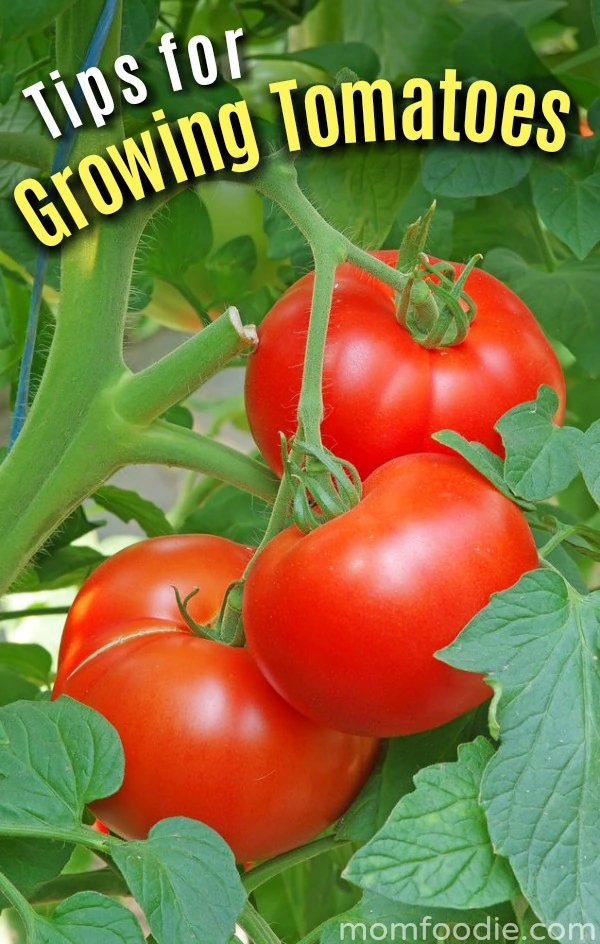
The taste of a sun-ripened tomato, bursting with sweetness and a hint of acidity, is one of summer's greatest pleasures. Imagine replicating that experience in your own backyard, or even on your balcony. With the right know-how, turning that dream into reality is absolutely achievable, no matter your level of gardening experience. This guide focuses on providing you with practical tips for growing tomatoes at home, ensuring a bountiful harvest of delicious, homegrown goodness.
Why put in the effort to grow your own tomatoes? Store-bought tomatoes often lack the vibrant flavor and texture of homegrown varieties. Growing your own allows you to select unique cultivars, control the growing environment, and harvest at peak ripeness. Plus, it's a deeply satisfying and rewarding hobby! Beyond the taste, cultivating tomatoes at home offers a chance to connect with nature, improve your gardening skills, and potentially reduce your grocery bill. And if you're dealing with limited space or facing challenging weather, don't worry – indoor tomato growing is also a viable option with the right setup. Here's one simple step you can take right away: Check your local garden center for tomato starter plants suited to your climate. Choosing the right variety is half the battle!
Practical Tips for Growing Tomatoes at Home: Getting Started
The success of your tomato crop hinges on understanding the fundamental needs of these sun-loving plants. They crave warmth, light, and nutrient-rich soil. Let's delve into the key elements for creating the ideal tomato-growing environment.
Sunlight and Climate
Tomatoes thrive in full sun, requiring at least 6-8 hours of direct sunlight per day. Insufficient sunlight can lead to leggy growth, reduced fruit production, and bland-tasting tomatoes. Consider the location of your garden or patio and ensure it receives ample sunlight throughout the growing season. Ideal daytime temperatures range from 70°F to 85°F. They can tolerate warmer temperatures with sufficient watering, but prolonged exposure to temperatures above 90°F can hinder fruit set. Be mindful of your local frost dates and protect your plants if temperatures are expected to drop below freezing.
Choosing the Right Growing Method: Containers, Raised Beds, or Ground
Each method offers distinct advantages and disadvantages. Containers are ideal for small spaces, patios, or balconies. Opt for 5-gallon buckets or larger for single plants to provide sufficient root space. Ensure containers have drainage holes to prevent waterlogging. Raised beds offer better drainage and soil control compared to in-ground planting. They warm up faster in the spring, extending the growing season. In-ground planting is suitable for larger gardens with well-draining soil. Before planting directly in the ground, amend the soil with compost and other organic matter to improve fertility and structure.
Soil and Nutrition for Thriving Tomatoes
Tomatoes need well-draining soil rich in organic matter. The ideal soil p H ranges from 6.0 to
6.8. Conduct a soil test to determine the p H and nutrient levels of your soil. Amend the soil with compost, aged manure, or other organic materials to improve its fertility and drainage. A balanced slow-release fertilizer, with an N-P-K ratio such as 5-10-5 or 10-10-10, provides essential nutrients throughout the growing season. Supplement with liquid feeding every 2-3 weeks, especially during fruit production. Epsom salts (magnesium sulfate) can help prevent blossom end rot by providing magnesium, but only use if a soil test confirms a deficiency.
Mastering the Art of Tomato Care
Proper care is crucial for maximizing your tomato yield and preventing common problems. From watering techniques to pruning strategies, these tips will help you nurture your plants to their full potential.
Watering: Finding the Right Balance
Tomatoes need consistent watering, especially during hot weather and fruit development. Water deeply and less frequently, aiming to keep the soil consistently moist but not waterlogged. Water at the base of the plant to avoid wetting the foliage, which can promote fungal diseases. Apply a layer of mulch, such as straw or wood chips, around the base of the plants to retain moisture, suppress weeds, and regulate soil temperature. Blossom end rot, a common problem caused by calcium deficiency, is often exacerbated by inconsistent watering. Ensure consistent soil moisture to facilitate calcium uptake.
Light for Indoor Tomato Growing
If growing tomatoes indoors, supplemental lighting is often necessary, especially during winter months. LED grow lights are energy-efficient and provide the full spectrum of light needed for tomato growth. Position the lights 6-12 inches above the plants and adjust as they grow. Provide 14-16 hours of light per day and ensure good air circulation to prevent fungal diseases. Even a sunny windowsill can help supplement light, but grow lights are generally needed for strong growth and fruiting.
Planting, Spacing, and Support
Plant tomato seedlings deep, burying the stem up to the first set of leaves. This encourages root development along the buried stem, resulting in a stronger and more productive plant. Space plants according to the variety and growing method. Determinate varieties, which grow to a fixed size, can be spaced closer together than indeterminate varieties, which continue to grow and produce fruit throughout the season. Provide support for your tomato plants using stakes, cages, or trellises. This prevents the plants from collapsing under the weight of the fruit and improves air circulation, reducing the risk of disease.
Pruning Suckers for Optimal Growth
Pruning suckers, the small shoots that grow between the main stem and branches, is essential for indeterminate tomato varieties. Removing suckers directs the plant's energy towards fruit production rather than vegetative growth. Use clean pruning shears to remove suckers early in the morning on a dry day. Determinate varieties generally do not require pruning, as they naturally stop growing and produce all their fruit at once.
Companion Planting: Beneficial Allies in Your Garden
Companion planting can enhance tomato growth and protect against pests and diseases. Basil and marigolds are classic tomato companions. Basil repels pests, while marigolds deter nematodes in the soil. Avoid planting tomatoes near members of the Brassica family (e.g., cabbage, broccoli) or fennel, as they can inhibit tomato growth. Practice crop rotation to prevent soilborne diseases and nutrient depletion. After growing tomatoes in a particular area, plant legumes or other nitrogen-fixing crops to replenish the soil.
Troubleshooting Common Tomato Problems
Even with the best care, tomato plants can sometimes encounter problems. Here's how to identify and address common issues.
Addressing Slow Growth, Yellowing Leaves, and Leggy Seedlings
Slow growth can be caused by insufficient sunlight, nutrient deficiencies, or soil problems. Ensure your plants receive adequate sunlight and fertilize regularly with a balanced fertilizer. Yellowing leaves can indicate nutrient deficiencies (especially nitrogen), overwatering, or disease. Check the soil moisture and adjust watering as needed. Leggy seedlings, characterized by long, weak stems, are usually caused by insufficient light. Provide supplemental lighting or move the seedlings to a sunnier location.
Tackling Pollination Issues
Tomatoes are self-pollinating, but sometimes pollination can be hindered by hot weather, high humidity, or lack of wind. Gently shake the tomato plants daily to help release pollen. You can also use a small brush to transfer pollen from one flower to another. In extreme cases, consider using a blossom set spray to improve fruit set.
Pest and Disease Control
Common tomato pests include aphids, tomato hornworms, and whiteflies. Inspect your plants regularly for signs of infestation and take action promptly. Remove pests by hand or use insecticidal soap or neem oil. Common tomato diseases include early blight, late blight, and septoria leaf spot. Prevent diseases by providing good air circulation, avoiding overhead watering, and using disease-resistant varieties. If diseases occur, remove infected leaves and treat with a fungicide if necessary. Copper fungicide is a safe and effective option.
Harvesting and Enjoying Your Homegrown Tomatoes
The moment you've been waiting for! Knowing when and how to harvest your tomatoes ensures peak flavor and enjoyment.
Harvest Timing and Flavor Tips
Harvest tomatoes when they are fully colored and slightly soft to the touch. The color will vary depending on the variety. Gently twist the tomato from the vine, leaving the stem attached. Ripe tomatoes will easily detach from the plant. The flavor of tomatoes intensifies after harvest. Store them at room temperature, away from direct sunlight, to allow them to fully ripen. Avoid refrigerating tomatoes, as this can negatively affect their texture and flavor.
Regional and Seasonal Considerations
In regions with hot summers, like Florida, provide shade during the hottest part of the day to prevent sunscald. In areas with short growing seasons, start tomato seeds indoors several weeks before the last expected frost. Greenhouses can extend the growing season and allow you to grow tomatoes year-round in colder climates. Choose tomato varieties that are well-suited to your local climate and growing conditions.
Frequently Asked Questions
How often should I fertilize my tomato plants?
Fertilize tomato plants every 2-3 weeks with a liquid fertilizer, especially during fruit production. You can also use a slow-release fertilizer at planting time to provide a steady supply of nutrients.
What causes blossom end rot on tomatoes?
Blossom end rot is caused by calcium deficiency, often exacerbated by inconsistent watering. Ensure consistent soil moisture and consider adding calcium to the soil if a soil test indicates a deficiency.
How can I prevent tomato diseases?
Prevent tomato diseases by providing good air circulation, avoiding overhead watering, using disease-resistant varieties, and practicing crop rotation. Remove any infected leaves promptly.
What are the best companion plants for tomatoes?
Basil and marigolds are excellent companion plants for tomatoes. Basil repels pests, while marigolds deter nematodes in the soil. Avoid planting tomatoes near members of the Brassica family or fennel.
How do I know when my tomatoes are ripe?
Tomatoes are ripe when they are fully colored and slightly soft to the touch. The color will vary depending on the variety. Ripe tomatoes will easily detach from the plant.
Can I grow tomatoes indoors?
Yes, you can grow tomatoes indoors with sufficient light, either from a sunny windowsill or grow lights. Choose compact or dwarf varieties that are well-suited for container growing.
With these practical tips for growing tomatoes at home, you're well-equipped to cultivate a thriving tomato garden. Take a look at your garden space, plan your layout, and order some seeds or starter plants. The journey to homegrown, delicious tomatoes starts today!

Post a Comment