
Green tomatoes: How else you can use them
Are your tomatoes not fully ripening before the first frosts? You don't have to throw away the green, unripe tomatoes. With a few tricks, you can reduce the level of the toxic substance solanine. The tomatoes can ripen further, or they can be used while still green.
Solanine content: Are green tomatoes poisonous?
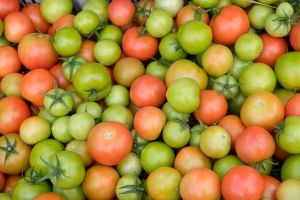
It is often advised not to use unripe tomatoes because they contain high levels of the toxic substance solanine. However, in some countries it is perfectly normal to use green tomatoes, as they are even considered delicacies and used in specialty dishes. Whether they are toxic or not depends on the quantity consumed and how they are prepared.
The alkaloid solanine is also found in other nightshade plants and occurs in higher concentrations in the stem and skin of tomatoes. Therefore, you should remove the stem even from ripe tomatoes . Ingesting large quantities of solanine can lead to symptoms of poisoning.
- Headache
- Scratchy throat
- Diarrhea
- Gastrointestinal problems
- nausea
- Vomit
The solanine content decreases as tomatoes ripen. If you don't want to throw away the green tomatoes, you can let them ripen further.
Tip: Green tomatoes usually refer to unripe tomatoes. However, there are also green tomato varieties that don't turn reddish even when ripe, such as the Green Zebra variety . The solanine content of these varieties is harmless.
At what point does solanine become dangerous? From one milligram per kilogram of body weight.
Solanine is responsible for the slightly bitter taste of green tomatoes and becomes a concern when you ingest at least one milligram per kilogram of body weight. Depending on the variety, 100 grams of unripe tomatoes contain between 9 and 32 milligrams of solanine. A person weighing 70 kilograms could already experience mild symptoms of poisoning after eating just over 200 grams of unripe tomatoes. Even a small amount can be dangerous for children.
It becomes life-threatening if you ingest three to six milligrams of solanine per kilogram of body weight. Therefore, with recipes for green tomatoes and a reasonable quantity, such symptoms of poisoning are virtually impossible, especially if the tomatoes ripen beforehand. You can safely eat approximately 100 grams of unripe tomatoes.
To ripen green tomatoes: at temperatures above 18 degrees Celsius
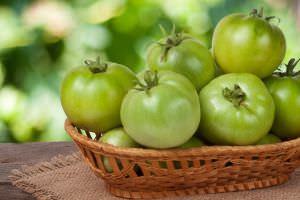
If the temperature drops below 12 degrees Celsius at night in autumn, the risk of blight on tomatoes increases. The foliage dies, and the fruit becomes unusable. Harvest the tomatoes to prevent glassy and hard spots caused by the fungus. You can prevent the fruit from splitting and fungal spores from entering by harvesting the tomatoes with their stems attached. Do not remove the stems, as they contribute to a more intense flavor. Tomatoes that ripen after picking have a less intense flavor than those that ripen on the vine, but they are not tasteless or unpleasant.
Tomatoes will continue to ripen indoors at temperatures above 18 degrees Celsius. Discard any damaged or split tomatoes. Wash and dry the tomatoes to remove any fungal spores. If the tomatoes have already turned reddish, temperatures of 12 to 15 degrees Celsius are sufficient for them to ripen further. For green tomatoes, the higher the temperature, the faster they will ripen.
Tricks for ripening: With apple or banana
The following tricks will help you ripen the tomatoes without them losing too much flavor:
- If many unripe fruits are still hanging on a plant and it is not yet affected by brown rot, cut off the plant and hang it upside down in a warm place.
- Light is not necessary for ripening. The tomatoes simply require temperatures above 18 degrees Celsius.
- Place an apple or a banana on a plate or in a bowl along with the unripe tomatoes, as the ethylene released from the fruit will promote the ripening process.
- Wrap the tomatoes in a paper bag or newspaper to prevent infestation by fruit flies.
- Check the tomatoes daily for ripeness, damaged areas, or rot. Discard any damaged or rotten fruit.
The tomatoes should be ripe after three weeks at the latest. However, it's possible that not all tomatoes will ripen.
Reduce solanine content before preparation: remove stem and green skin
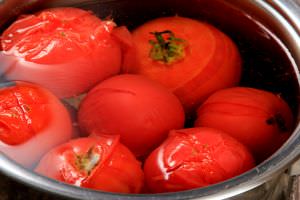
If you want to use unripe tomatoes immediately and not let them ripen first, you can reduce the solanine content. Remove the stem of the tomatoes, as it contains the most solanine. Additionally, you can remove the skin by scoring it with an "X" and blanching the tomatoes in boiling water for one minute. Then, plunge the tomatoes into cold water, let them cool, and peel off the skin with a knife. To process the pulp, slice the tomatoes, mix 500 grams of tomatoes with half a teaspoon of salt, and let it sit, covered, in a cool place for 24 hours. Drain off the juice that has formed.
Recipe ideas with unripe tomatoes: chutney or jam
Whether ripe or still unripe, tomatoes can be used in a variety of dishes. Jam and chutney are true classics. You can also make ketchup with ripe tomatoes. But there are many other recipes you can try using only unripe tomatoes, only ripe tomatoes, or a mixture of ripe and unripe tomatoes.
Green tomato jam: an unusual taste experience
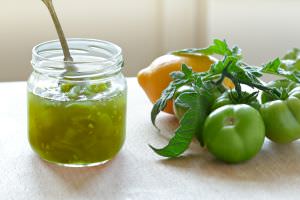
Green tomato jam is somewhat unusual in taste, as it's sweet and doesn't have a true tomato flavor. It's a bit reminiscent of apricot jam. For the jam you will need:
- 600 grams of tomatoes
- 500 grams of gelling sugar 1:1
- 1 untreated lemon or lime
- some basil leaves
Wash the tomatoes and remove the stems. You can peel them, but it's not necessary. Chop the tomatoes into small pieces. Zest the lemon or lime and squeeze out the juice. Place the tomatoes, lime juice, lime zest, and the roughly chopped basil leaves in a pot, bring to a boil, and simmer for 15 minutes, stirring occasionally. If you prefer a smoother consistency, gently purée the mixture with an immersion blender. Add the jam sugar and cook according to the package instructions. Pour the hot jam into jars and seal them.
Tip: You can also use gelling sugar in a different ratio, for example 1:2 or 1:3. The lower amount of sugar will make the jam less sweet. However, its shelf life may be reduced.
Chutney made from unripe tomatoes: a delicious side dish for grilled food
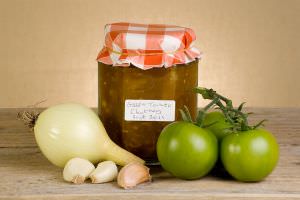
Tomato chutney is characterized by a sweet and sour taste and is excellent as a dip, with rice dishes, and with grilled food. You will need the following ingredients to make tomato chutney:
- 500 grams of tomatoes
- an onion
- an apple or a pear
- 3 centimeters of ginger root
- 1 to 2 cloves of garlic
- Juice of half a lemon
- 125 grams of raisins or pitted dates
- 125 grams of sugar
- 150 milliliters of apple cider vinegar
- 1 tablespoon of salt
Peel the apple and remove the core. Wash the tomatoes and remove the stems and skins. Peel the onions, garlic, and ginger. Finely chop all the ingredients. Place the onions, ginger, garlic, lemon juice, and vinegar in a pot, bring to a boil, and then simmer for ten minutes. Add the tomatoes, dates, salt, and sugar, and let it cook down for about 40 minutes until thickened. Pour the hot chutney into jars and seal them immediately.
Pickling unripe tomatoes with lactic acid: they will keep until spring.
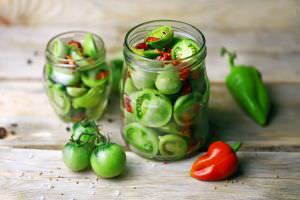
Unripe tomatoes can be fermented using lactic acid and will then keep for several months. Tomatoes are suitable for fermentation along with other vegetables, some of which you can omit depending on your taste. The recipe originates in Hungary. You will need the following vegetables and spices:
- unripe tomatoes
- some pieces of kohlrabi
- a few eighths of white cabbage
- Bell peppers, cut into pieces
- smaller carrots or larger carrots cut into pieces
- Celery stalks, cut into pieces
- small onions
- garlic cloves
- dill stalks
Clean and chop the vegetables. Layer the vegetables with dill and celery sticks in a large glass jar. Place the dill sprigs and a wooden skewer on top to prevent the vegetables from floating when you pour the brine over them. For the brine, you will need...
- 10 milliliters of vinegar
- Water
- 1 tablespoon of peppercorns
- 2 to 3 bay leaves
- one tablespoon of salt per liter of water
Boil all the ingredients except the vinegar to make a brine. Add the vinegar once the other ingredients are boiling, and pour the hot brine over the vegetables. Let the vegetables stand uncovered overnight. Add more brine if the vegetables have sunk. Seal the jar with cellophane and rubber bands. Release the fermentation gases from time to time. Lactic acid fermentation is indicated by bubbles and begins after two to three days. Store the vegetables in a warm place for four to eight days, then in a cool, dark place. The fermentation process is complete after three to four weeks. You can then eat the vegetables.
source : https://www.samenhaus.de/gartenblog/gruene-tomaten-wie-sie-sie-noch-verwenden-koennen

Post a Comment