
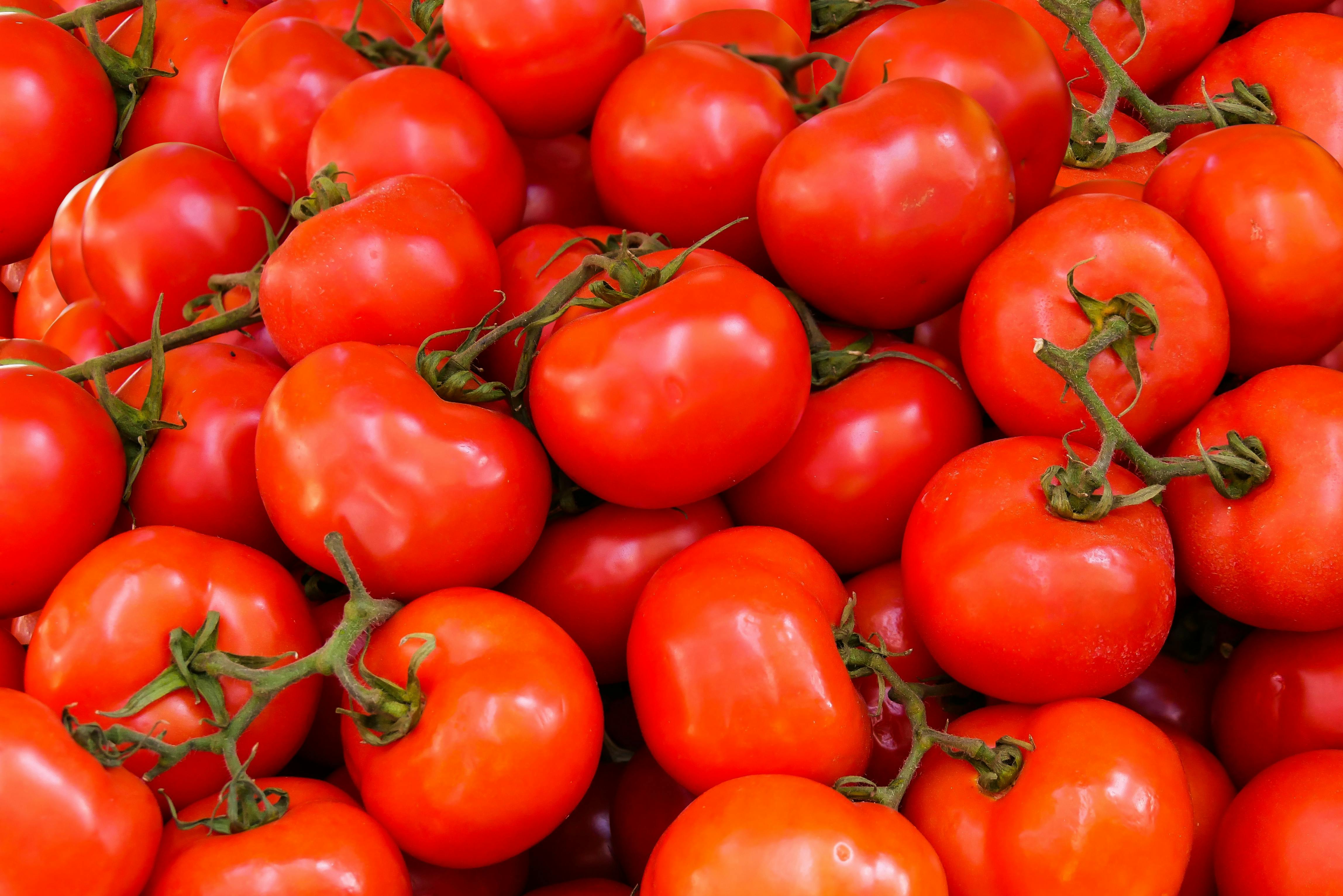
Tomato flowers are more than just pretty blossoms; they're the key to unlocking a bountiful harvest of juicy, flavorful fruit. Understanding what those delicate yellow stars are telling you – and knowing how to help them along – can dramatically impact the size, taste, and overall success of your tomato crop. Are your plants covered in flowers but not setting fruit? Or are you seeing loads of tiny tomatoes that just aren’t growing? The secret to bigger, better tomatoes often lies in understanding the story your tomato flowers are telling.
Understanding the nuances of tomato flowers is essential for every gardener, whether you’re squeezing in a single plant on a balcony or managing rows in a sprawling garden. Proper flower development and pollination translate directly to better-tasting tomatoes, higher yields, and even increased resistance to diseases. Learning how to nurture your tomato plants from flower to fruit also opens the door to enjoying fresh, homegrown tomatoes year-round, even if you need to utilize indoor growing techniques. Let’s delve into how to interpret those floral signals.
Here's a quick tip to put into action right away: Gently shake your tomato plants every day or two, especially when they are flowering, to assist with pollination. This simple action can significantly increase fruit set, particularly indoors or in areas with limited wind.
Decoding What Tomato Flowers Really Mean
Tomato flowers are the starting point for every delicious tomato you'll harvest. Understanding their structure and the process of pollination is crucial for successful tomato growing. Most tomato varieties have "perfect" flowers, meaning they contain both male (stamen) and female (pistil) parts within the same flower. This allows for self-pollination, although external factors like wind or insects can certainly help. The flowers typically appear in clusters, which means multiple tomatoes can develop from a single cluster if pollination is successful.
It’s also important to observe the timing of flowering. When do your plants start producing flowers? Is it coinciding with ideal temperatures? Are the flowers abundant and healthy-looking? These observations will help you determine if your plants have everything they need to produce a good crop.
What do healthy tomato flowers look like?
Healthy tomato flowers are usually bright yellow, with well-formed petals and a visible stamen and pistil. They should appear firm and vibrant. If you notice flowers that are small, discolored, or deformed, it could indicate a problem with your plant's health or environmental conditions.
Factors Influencing Tomato Flower Development
Several factors play a critical role in how your tomato flowers develop and ultimately affect fruit production. Light, temperature, water, and nutrients are the main players.
Sunlight: Tomatoes need at least 6-8 hours of direct sunlight daily to thrive. Insufficient light can lead to fewer flowers and reduced fruit set. If you're growing indoors, consider using grow lights to supplement natural light, especially during the shorter days of winter. Position your grow lights a few inches above the plants and provide 14-16 hours of light per day.
Temperature: Tomato plants prefer temperatures between 60°F and 85°F (15°C and 29°C). Temperatures outside this range can inhibit flower production and pollination. If temperatures are consistently above 90°F (32°C) or below 55°F (13°C), pollination may be significantly reduced. In areas with extreme heat, provide afternoon shade for your plants. In cooler climates, consider using row covers to protect them from frost.
Water: Consistent watering is essential for healthy tomato plants. Avoid overwatering, which can lead to root rot, and underwatering, which can stress the plant and reduce flower production. Aim for deep watering less frequently, allowing the soil to dry slightly between waterings. Mulching around your plants can help retain moisture and regulate soil temperature.
Nutrients: Tomatoes are heavy feeders and require a balanced supply of nutrients, especially phosphorus and potassium, which are crucial for flower and fruit development. Use a fertilizer specifically formulated for tomatoes, following the instructions on the label. Avoid excessive nitrogen, which can promote leafy growth at the expense of flowering and fruiting. Consider using a slow-release fertilizer at planting time, followed by liquid feedings every few weeks during the growing season. A balanced N-P-K ratio like 5-10-10 is often recommended.
Pollination Problems and Solutions
Sometimes, even with healthy-looking flowers, tomatoes fail to set fruit. This is often due to pollination problems.
Lack of Pollinators: While tomatoes are self-pollinating, they often need a little help. Wind and insects, such as bees, help to transfer pollen within the flower. In enclosed spaces like greenhouses or indoor gardens, you may need to manually pollinate your plants.
Manual Pollination: This can be done by gently shaking the plant or using a small brush to transfer pollen from the stamen to the pistil. Another effective method is using an electric toothbrush (without toothpaste, of course!) to vibrate the flower stem, which releases pollen.
Blossom Drop: This occurs when tomato flowers fall off the plant before setting fruit. It's often caused by stress factors such as high temperatures, humidity extremes, or nutrient deficiencies. Addressing these underlying issues is crucial to prevent blossom drop.
Optimizing Growth Through Flower Management
Managing your tomato plants effectively, including how you handle the flowers, can significantly impact your yield.
Choosing the right tomato variety for your space and climate is the first step. Determinate varieties are bush-type tomatoes that grow to a certain size and then stop, producing all their fruit at once. These are great for containers or smaller gardens. Indeterminate varieties, on the other hand, continue to grow and produce fruit throughout the growing season. These require staking or trellising.
Staking or trellising not only supports the plant but also improves air circulation, which helps prevent diseases. Pruning suckers (the small shoots that grow in the "V" between the main stem and branches) can also improve airflow and direct the plant's energy towards fruit production. However, pruning can also reduce overall leaf cover, so be mindful of sunscald in hot climates.
Companion planting can also play a role. Basil and marigolds are often planted near tomatoes to deter pests and attract beneficial insects. Avoid planting tomatoes near brassicas (like cabbage and broccoli), as they can compete for nutrients.
Soil and Nutrition for Tomato Flowers
Healthy soil is the foundation for healthy tomato plants and abundant flowers. Tomatoes prefer well-draining soil with a p H between 6.0 and
6.8. Incorporating organic matter, such as compost or aged manure, can improve soil structure, drainage, and nutrient content.
When planting, bury the bottom two-thirds of the tomato seedling's stem. Tomatoes will grow roots along the buried stem, creating a stronger and healthier root system. For container tomatoes, use a pot that is at least 5 gallons in size per plant. This provides enough space for the roots to grow and supports the plant's overall health.
Watering Strategies for Better Blooms
Consistent and proper watering is crucial, especially during flowering and fruiting. Aim to water deeply and less frequently, allowing the soil to dry slightly between waterings. This encourages deep root growth and helps prevent root rot.
Mulching around your tomato plants can help retain moisture, suppress weeds, and regulate soil temperature. Use organic mulches such as straw, hay, or wood chips.
Blossom end rot, a common problem in tomatoes, is often caused by inconsistent watering and calcium deficiency. Ensure consistent watering and consider adding calcium to the soil if needed.
Troubleshooting Common Issues Affecting Tomato Flowers
Even with the best care, problems can arise that affect tomato flowers and fruit production.
Pests: Aphids, whiteflies, and tomato hornworms can all damage tomato plants and reduce flower production. Regularly inspect your plants for pests and take action promptly. Insecticidal soap or neem oil can be effective treatments.
Diseases: Early blight, late blight, and Septoria leaf spot are common tomato diseases that can weaken the plant and reduce flower production. Preventative measures include good air circulation, proper watering, and using disease-resistant varieties. Copper-based fungicides can be used to control fungal diseases.
Slow Growth: If your tomato plants are growing slowly or not producing flowers, it could be due to nutrient deficiencies, poor soil, or insufficient sunlight. Amend the soil with compost, fertilize regularly, and ensure your plants are getting enough sunlight.
Yellowing Leaves: Yellowing leaves can indicate nutrient deficiencies, overwatering, or disease. Check the soil p H, fertilize with a balanced fertilizer, and address any drainage issues.
Harvesting for the Best Flavor
The moment of truth: harvesting. Tomato flavor is at its peak when the fruit is fully ripe. Look for a deep, even color and a slight softening of the fruit. The tomato should easily detach from the vine with a gentle twist. Different varieties have different flavor profiles, so experiment to find your favorites. Store your harvested tomatoes at room temperature, as refrigeration can diminish their flavor.
Remember, gardening is a journey. Don't be discouraged by setbacks. Learn from your mistakes, adapt your techniques, and enjoy the process of growing your own delicious tomatoes.
Frequently Asked Questions About Tomato Flowers
Why are my tomato flowers falling off without producing fruit?
This is often caused by blossom drop, which can be triggered by temperatures that are too high or too low, inconsistent watering, poor pollination, or nutrient imbalances.
How can I improve pollination for my indoor tomato plants?
Manually pollinate by gently shaking the plants or using a small brush to transfer pollen from flower to flower. You can also use a fan to circulate air and aid in pollination.
What kind of fertilizer is best for tomato flowers?
A balanced fertilizer with a higher phosphorus (P) and potassium (K) content is ideal for promoting flower and fruit development. Look for a fertilizer specifically formulated for tomatoes.
How much sunlight do tomato plants need to flower properly?
Tomato plants need at least 6-8 hours of direct sunlight daily to produce abundant flowers and fruit. If growing indoors, supplement with grow lights to provide adequate light.
What is blossom end rot, and how can I prevent it?
Blossom end rot is a condition where the bottom of the tomato turns black and leathery. It's often caused by calcium deficiency due to inconsistent watering. Ensure consistent watering and consider adding calcium to the soil.
Are all tomato flowers self-pollinating?
Most tomato varieties have "perfect" flowers that contain both male and female parts, making them self-pollinating. However, they still benefit from external factors like wind or insects to help transfer pollen.
Now that you understand what tomato flowers really mean and how they affect growth, take a walk through your garden (or to your windowsill) and observe your tomato plants. Pay close attention to the flowers, adjust your care as needed, and get ready for a delicious harvest!

Post a Comment