
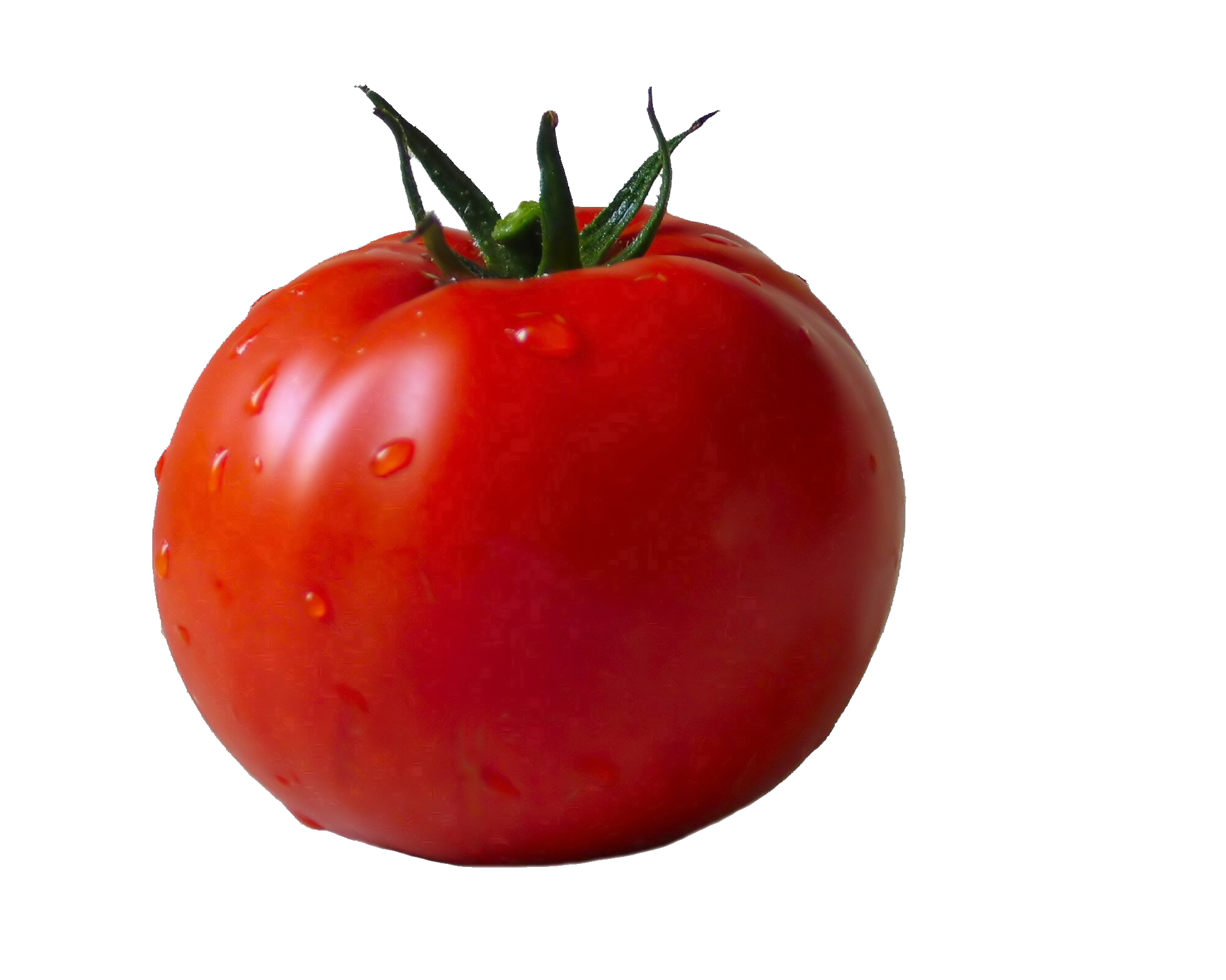
Imagine biting into a sun-ripened tomato, bursting with flavor, a taste far superior to anything you can find at the grocery store. That experience is absolutely within your reach, even if you're a complete beginner. Understanding the tomato plant growth stages is the key to unlocking a bountiful harvest and enjoying those delicious, homegrown tomatoes all season long. Knowing what to expect at each stage, and how to support your plants along the way, will make all the difference.
Why is it so important to understand the different stages of tomato plant growth? It's more than just watching a plant get bigger. It's about knowing when to fertilize, when to prune, and when to be on the lookout for potential problems. This knowledge translates to healthier, more productive plants, and ultimately, tastier tomatoes on your plate. You'll also be better equipped to prevent diseases and pest infestations, saving you time, money, and frustration. Plus, if you're considering growing tomatoes indoors, understanding their light and temperature needs at each stage is crucial for success.
Here's a simple tip you can try today: Start observing your tomato plants closely. Take a few minutes each day to examine the leaves, stems, and soil. Noticing subtle changes early on will help you identify problems before they become major issues.
Tomato Plant Growth Stages Explained for Beginners
The journey of a tomato plant, from a tiny seed to a fruit-bearing powerhouse, can be broken down into several key stages. Understanding these stages will allow you to provide the right care at the right time, leading to a successful and rewarding harvest. We'll cover everything from germination to ripening, giving you the knowledge you need to confidently grow your own tomatoes.
Stage 1: Germination - The Seed's Awakening
Germination is the very first stage, and it's where it all begins. This is when the seed sprouts and sends out its first root and shoot. To successfully germinate tomato seeds, you need warmth, moisture, and darkness.
Here's how to get started: Soak your seeds in water for a few hours to soften the seed coat. Then, plant them about ¼ inch deep in a seed-starting mix. Keep the soil consistently moist but not soggy, and maintain a temperature between 70-80°F (21-27°C). A heat mat can be helpful, especially in cooler climates. You should see seedlings emerge in about 5-10 days. Once they sprout, move them to a location with bright, indirect light.
Stage 2: Seedling Stage - Nurturing Young Growth
The seedling stage is crucial for developing strong, healthy plants. This is when the young tomato plant develops its first true leaves (the ones that look like miniature versions of mature tomato leaves). During this stage, focus on providing adequate light, water, and nutrients.
If you're growing indoors, provide at least 14-16 hours of light per day using grow lights or a sunny windowsill. Ensure proper drainage to prevent damping-off, a fungal disease that can quickly kill young seedlings. Fertilize with a diluted, balanced fertilizer (e.g., 10-10-10) every couple of weeks. Once the seedlings have developed several sets of true leaves and the weather outside has warmed up, they're ready to be transplanted.
Stage 3: Vegetative Growth - Building the Foundation
After transplanting, the tomato plant enters the vegetative growth stage. This is when the plant focuses on growing its stems, leaves, and roots, preparing for fruit production. During this stage, the plant needs plenty of sunlight, water, and nutrients.
Tomatoes need at least 6-8 hours of direct sunlight per day. Water deeply and regularly, especially during hot weather, but avoid overwatering. Fertilize every 2-3 weeks with a fertilizer higher in nitrogen to promote leafy growth. You'll also want to start thinking about staking or caging your plants to provide support as they grow. This is also the time to start pruning suckers (the small shoots that grow in the "V" between the main stem and branches), especially if you're growing indeterminate varieties.
Choosing the Right Location and Soil
The success of your tomato plants hinges on selecting the ideal location and providing the right soil conditions. These factors directly impact the plant's ability to absorb nutrients, access sunlight, and develop a strong root system. Whether you're planting in containers, raised beds, or directly in the ground, understanding these fundamentals is essential.
Sunlight and Temperature Considerations
Tomatoes are sun-loving plants, requiring at least 6-8 hours of direct sunlight each day for optimal growth and fruit production. Choose a location that receives ample sunlight throughout the day. Consider the potential for shade from trees or buildings, especially in the afternoon.
Temperature also plays a crucial role. Tomatoes thrive in temperatures between 60-85°F (15-29°C). Protect your plants from frost, as even a light frost can damage or kill them. In cooler climates, start your seeds indoors and use row covers or cloches to protect plants from late frosts. In hotter climates, provide afternoon shade to prevent heat stress.
Containers vs. Raised Beds vs. Ground Planting
The choice of planting method depends on your space, soil conditions, and personal preferences.
Containers: Ideal for small spaces like patios or balconies. Choose a container at least 5 gallons in size for determinate varieties and 10 gallons or larger for indeterminate varieties. Ensure the container has drainage holes to prevent waterlogging. Raised Beds: Offer improved drainage and soil control. They warm up faster in the spring, extending the growing season. Build a raised bed at least 12 inches deep to provide adequate root space. Ground Planting:The most traditional method. Ensure the soil is well-drained and amended with organic matter. Ground planting allows for deeper root growth and can be more economical for large gardens.
Soil and Nutrition: Feeding Your Tomato Plants
Tomatoes prefer well-drained, fertile soil with a p H between 6.0 and
6.8. Amend your soil with compost, aged manure, or other organic matter to improve drainage and fertility.
For nutrition, you have two primary options: slow-release fertilizers and liquid fertilizers. Slow-release fertilizers provide a steady supply of nutrients over several months. Liquid fertilizers offer a more immediate boost and can be applied every 2-3 weeks. A balanced fertilizer (e.g., 10-10-10) is a good starting point, but you may want to switch to a fertilizer higher in phosphorus (the middle number) once the plants start flowering to promote fruit development. Avoid over-fertilizing, as this can lead to excessive foliage growth and reduced fruit production.
Caring for Your Growing Tomato Plants
Once your tomato plants are established, proper care is essential to ensure a bountiful harvest. This includes watering, pruning, providing support, and protecting your plants from pests and diseases. Consistent attention to these details will reward you with healthy, productive plants and delicious tomatoes.
Watering Techniques and Avoiding Blossom End Rot
Water deeply and regularly, especially during hot weather. Aim to water at the base of the plant to avoid wetting the foliage, which can increase the risk of fungal diseases. Mulch around the plants with straw, wood chips, or other organic material to help retain moisture and suppress weeds.
Blossom end rot, a common problem in tomatoes, is caused by a calcium deficiency. While the soil may contain enough calcium, it's often the plant's inability to absorb it due to inconsistent watering that causes the problem. Ensure consistent watering and consider adding calcium to the soil if necessary.
Staking, Trellising, and Pruning for Optimal Growth
Providing support for your tomato plants is essential, especially for indeterminate varieties, which can grow very tall and heavy. Staking and trellising help keep the plants upright, preventing the fruit from touching the ground and reducing the risk of disease.
Pruning suckers, the small shoots that grow in the "V" between the main stem and branches, is another important task. Pruning suckers encourages the plant to focus its energy on fruit production rather than foliage growth. Determinates do not require as much pruning because they stop growing at a certain height.
Companion Planting and Crop Rotation
Companion planting involves growing certain plants together to benefit each other. Basil and marigolds are popular companion plants for tomatoes, as they help repel pests and attract beneficial insects. Avoid planting tomatoes near brassicas (e.g., cabbage, broccoli) or potatoes, as they can compete for nutrients or attract similar pests and diseases.
Crop rotation involves planting different crops in the same location each year. This helps to prevent the buildup of soilborne diseases and pests. Avoid planting tomatoes in the same location for more than two years in a row.
Harvesting and Enjoying Your Tomatoes
The final stage of tomato plant growth is the most rewarding: harvesting and enjoying your homegrown tomatoes. Knowing when and how to harvest your tomatoes ensures the best flavor and quality.
Knowing When to Harvest for Peak Flavor
Tomatoes are typically ready to harvest when they are fully colored and slightly soft to the touch. The exact color will depend on the variety. Gently twist the fruit from the vine, leaving the stem attached.
For the best flavor, allow tomatoes to ripen on the vine. However, if you're expecting frost or heavy rain, you can harvest slightly underripe tomatoes and allow them to ripen indoors.
Tips for Storing and Using Your Harvest
Store ripe tomatoes at room temperature, away from direct sunlight. Refrigerating tomatoes can dull their flavor. Use your harvest to make sauces, salads, sandwiches, or enjoy them fresh off the vine.
You can also preserve your tomatoes by canning, freezing, or drying them for later use. Experiment with different varieties to find your favorites and enjoy the fruits (literally!) of your labor.
Common Tomato Problems and Solutions
Even with the best care, tomato plants can sometimes encounter problems. Being able to identify and address these issues quickly can save your plants and your harvest.
Some common problems include: Slow Growth: Ensure adequate sunlight, water, and nutrients. Check the soil p H and amend if necessary. Yellowing Leaves: Could be a sign of nutrient deficiency, overwatering, or disease. Check the soil moisture and fertilize with a balanced fertilizer. Leggy Seedlings: Usually caused by insufficient light. Provide more light or move the seedlings closer to the light source. Pollination Issues: Can occur in hot or humid weather. Gently shake the plants or use a small brush to hand-pollinate the flowers.
For pest and disease control, use organic methods whenever possible. Insecticidal soap, neem oil, and copper fungicide are effective and safe options for many common problems.
FAQ Section
Why are my tomato plants not producing fruit?
Several factors can contribute to a lack of fruit production, including insufficient sunlight, improper pollination, or nutrient deficiencies. Ensure your plants receive at least 6-8 hours of direct sunlight per day. If you suspect pollination issues, try hand-pollinating the flowers. Fertilize with a fertilizer higher in phosphorus (the middle number) to promote fruit development.
How often should I water my tomato plants?
Water deeply and regularly, especially during hot weather. The frequency will depend on the soil type and weather conditions. Check the soil moisture regularly and water when the top inch feels dry. Avoid overwatering, as this can lead to root rot.
What is the best fertilizer for tomato plants?
A balanced fertilizer (e.g., 10-10-10) is a good starting point. Once the plants start flowering, switch to a fertilizer higher in phosphorus to promote fruit development. Organic options like compost tea or fish emulsion are also excellent choices.
How do I prevent blossom end rot?
Blossom end rot is caused by a calcium deficiency. Ensure consistent watering and consider adding calcium to the soil if necessary. Avoid over-fertilizing with nitrogen, as this can interfere with calcium uptake.
What are some good companion plants for tomatoes?
Basil, marigolds, and garlic are all excellent companion plants for tomatoes. They help repel pests and attract beneficial insects.
Should I prune my tomato plants?
Yes, especially if you are growing indeterminate varieties. Pruning suckers encourages the plant to focus its energy on fruit production rather than foliage growth.
Now that you understand the tomato plant growth stages, you're well-equipped to embark on your tomato-growing adventure. Start small, experiment with different varieties, and don't be afraid to learn from your mistakes. Get your seeds started, or head to your local nursery for some seedlings. The journey to delicious, homegrown tomatoes is just beginning.

Post a Comment