
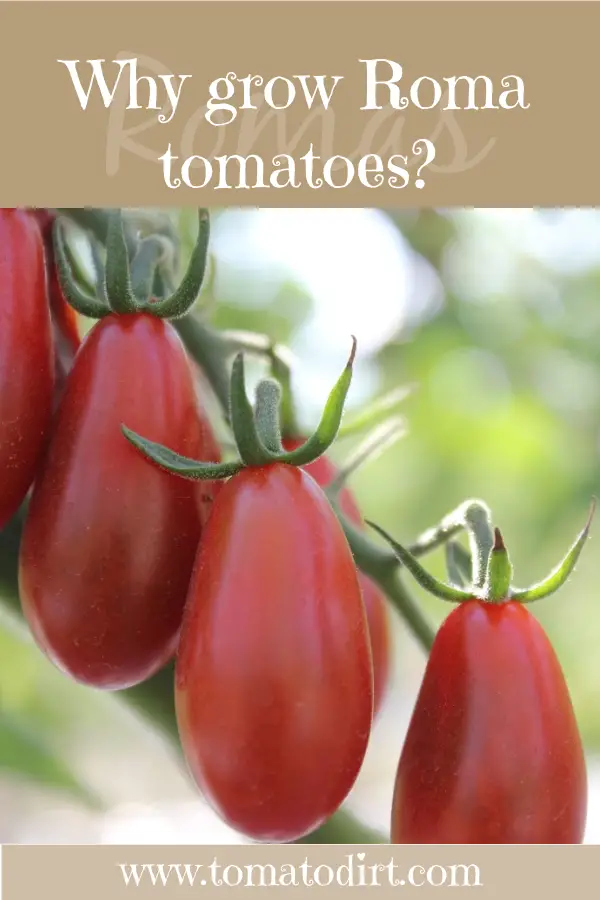
Roma tomatoes, those dense, meaty fruits perfect for sauces and canning, offer a delightful taste of summer. But figuring out how to maximize your harvest can feel like a puzzle, especially when it comes to understanding plant size. Knowing how tall do Roma tomatoes grow on average is the first step in planning your garden layout and providing the right support, leading to a more abundant crop of these versatile fruits.
Understanding the growth habit of your tomato plants is crucial for successful gardening. It impacts everything from the type of support system you'll need to how much space you should allocate in your garden. Roma tomatoes are a determinate variety, which means they grow to a certain size and then focus on producing fruit all at once. This characteristic is excellent for those wanting a concentrated harvest for canning or making large batches of sauce. Plus, knowing that Romas tend to stay more compact helps prevent overcrowding, potentially reducing disease and improving air circulation around your plants. Even indoor growers can benefit: knowing how tall do Roma tomatoes grow on average allows for better light placement and more efficient use of grow space.
Here's a quick tip for today: start your Roma tomato seeds indoors 6-8 weeks before the last expected frost. This will give them a head start and ensure they're strong enough to handle transplanting outdoors when the weather warms up.
Understanding Roma Tomato Growth Habits
Roma tomatoes are classified as determinate, meaning they grow to a predetermined size, set fruit, and then decline. Unlike indeterminate varieties that vine and continue growing throughout the season, determinate Romas are bushier and more compact. Generally, how tall do Roma tomatoes grow on average? Expect them to reach between 3 to 4 feet in height. This relatively shorter stature makes them ideal for container gardening and smaller garden spaces. However, environmental factors, soil conditions, and pruning techniques can slightly influence their final size.
What factors affect the height of Roma tomato plants?
Several elements can influence how tall do Roma tomatoes grow on average in your specific garden. Adequate sunlight is paramount; these plants require at least 6-8 hours of direct sunlight daily. Insufficient light can lead to leggy growth as the plant stretches towards any available source. Soil fertility also plays a significant role. Nutrient-rich soil will promote healthy growth, while poor soil can stunt the plant. Watering practices matter, too. Consistent, even watering is essential, but overwatering can lead to root rot and hinder growth. Finally, temperature extremes can stress the plants, impacting their overall size and productivity.
Optimizing Your Roma Tomato Growing Environment
Creating the right environment is essential for maximizing the health and yield of your Roma tomatoes. This includes careful consideration of the site, soil, watering, and temperature control.
Site and Climate Essentials
Choose a location that receives ample sunlight. As mentioned earlier, 6-8 hours of direct sunlight is the minimum requirement. Consider the climate in your region. Roma tomatoes thrive in temperatures between 70°F and 85°F (21°C and 29°C). If you live in an area with intense summer heat, provide some afternoon shade to prevent sunscald on the fruits. Be mindful of the last expected frost date in your area and avoid planting outdoors until the danger of frost has passed. In colder climates, starting seeds indoors and using row covers can extend the growing season.
Soil and Nutrition for Roma Tomatoes
Roma tomatoes prefer well-drained soil rich in organic matter. Amend your soil with compost or aged manure before planting to improve its structure and fertility. The ideal soil p H for tomatoes is between 6.0 and
6.8. Perform a soil test to determine the p H level and adjust accordingly with lime (to raise p H) or sulfur (to lower p H).
When it comes to nutrition, tomatoes are heavy feeders. Use a balanced fertilizer specifically formulated for tomatoes. A common N-P-K ratio is 5-10-5 or 10-10-10. Apply a slow-release fertilizer at planting time and supplement with liquid fertilizer every 2-3 weeks during the growing season. Avoid over-fertilizing, especially with nitrogen, as this can lead to excessive foliage growth at the expense of fruit production.
Watering and Mulching for Healthy Growth
Water your Roma tomatoes deeply and regularly, especially during dry spells. Aim to keep the soil consistently moist but not waterlogged. Water at the base of the plant to avoid wetting the foliage, which can encourage disease. Mulching around the base of the plants with straw, wood chips, or compost helps retain moisture, suppress weeds, and regulate soil temperature. Mulch also prevents soil from splashing onto the leaves, further reducing the risk of disease. Blossom end rot, caused by calcium deficiency often due to inconsistent watering, is a common issue with tomatoes. Consistent watering and maintaining adequate calcium levels in the soil are crucial for prevention.
Planting, Supporting, and Pruning Your Roma Tomatoes
Once you've established the right growing environment, proper planting, support, and pruning techniques will ensure your Roma tomatoes thrive.
Planting Depth and Spacing
When transplanting your Roma tomato seedlings outdoors, plant them slightly deeper than they were in their containers. This encourages the development of additional roots along the buried stem, resulting in a stronger, more robust plant. Space your Roma tomato plants about 2-3 feet apart in rows that are 3-4 feet apart. This spacing allows for adequate air circulation and sunlight penetration.
Staking and Trellising for Support
Even though Roma tomatoes are determinate and relatively compact, providing support is still beneficial. Staking or caging your plants helps keep the fruits off the ground, preventing rot and making harvesting easier. Use sturdy stakes or tomato cages that are at least 4 feet tall. Insert the stakes or cages into the ground at planting time to avoid disturbing the roots later. As the plants grow, gently tie the stems to the stakes with soft twine or plant ties.
Pruning for Optimal Fruit Production
Pruning Roma tomatoes is optional but can improve air circulation and encourage earlier fruit production. The main pruning technique involves removing suckers, which are small shoots that grow in the "V" between the main stem and a branch. Removing these suckers directs the plant's energy towards fruit production rather than foliage growth. However, some gardeners prefer to leave the suckers to produce more fruit, albeit later in the season. Experiment to see what works best for you.
Common Problems and Solutions for Roma Tomatoes
Even with the best care, your Roma tomatoes may encounter some common problems. Early detection and prompt action are crucial for preventing significant damage.
Slow growth in your Roma tomatoes can be caused by a number of factors, including cool temperatures, poor soil, or insufficient sunlight. Address these issues by providing warmth, amending the soil with compost, and ensuring adequate sunlight exposure. Yellowing leaves can indicate nutrient deficiencies, overwatering, or disease. Check the soil drainage and nutrient levels and treat any diseases promptly. Leggy seedlings are typically a result of insufficient light. Provide more light by moving the seedlings to a sunnier location or using grow lights. Pollination issues can occur in hot, humid weather. Gently shake the plants in the morning to help distribute pollen.
Pests like aphids, tomato hornworms, and whiteflies can attack Roma tomatoes. Control these pests with organic insecticides like neem oil or insecticidal soap. Diseases such as early blight, late blight, and Septoria leaf spot can also affect tomato plants. Prevent these diseases by providing good air circulation, avoiding overhead watering, and applying copper fungicide as a preventative measure. Remove and destroy any infected leaves to prevent the spread of disease.
Harvesting and Enjoying Your Roma Tomatoes
Knowing when and how to harvest your Roma tomatoes is the final step in enjoying the fruits of your labor. Roma tomatoes are typically ready for harvest about 70-80 days after transplanting. The fruits should be firm, fully colored (usually deep red), and easily detach from the vine. Gently twist or cut the tomatoes from the plant, being careful not to damage the vine.
The flavor of Roma tomatoes intensifies as they ripen on the vine. For the best flavor, allow the tomatoes to ripen fully before harvesting. Store harvested tomatoes at room temperature, away from direct sunlight. Do not refrigerate them, as this can affect their flavor and texture.
Roma tomatoes are incredibly versatile in the kitchen. They are excellent for making sauces, pastes, soups, and stews. Their meaty texture and low water content make them ideal for canning and preserving. You can also use them fresh in salads, sandwiches, and salsas.
Regional and Seasonal Considerations
In regions with hot summers, like Florida, providing afternoon shade is crucial to prevent sunscald on the fruits. In areas with short growing seasons, like the northern states, starting seeds indoors early and using row covers can help extend the harvest. Greenhouse growing can also be a viable option for those with limited growing seasons.
What are the best companion plants for Roma tomatoes?
Companion planting can benefit your Roma tomatoes by attracting beneficial insects, repelling pests, and improving soil health. Basil is a classic companion plant for tomatoes, as it repels pests and is believed to improve the flavor of the tomatoes. Marigolds also repel pests, such as nematodes. Other good companion plants include carrots, onions, garlic, and parsley. Avoid planting tomatoes near brassicas (cabbage, broccoli, cauliflower) as they can compete for nutrients. Also, avoid planting near fennel, as it can inhibit tomato growth.
Frequently Asked Questions About Roma Tomato Growth
How tall do Roma tomatoes grow in containers?
When grown in containers, how tall do Roma tomatoes grow on average? Expect them to reach 2-3 feet tall. Choosing a large enough container (at least 5 gallons) and providing adequate sunlight and nutrients are crucial for optimal growth. Staking or caging is still recommended to support the plants and keep the fruits off the ground.
Do Roma tomatoes need full sun?
Yes, Roma tomatoes need full sun to thrive. They require at least 6-8 hours of direct sunlight daily. Insufficient sunlight can lead to leggy growth, reduced fruit production, and increased susceptibility to disease.
How much water do Roma tomatoes need?
Roma tomatoes need consistent, even watering. Aim to keep the soil consistently moist but not waterlogged. Water deeply at the base of the plant, avoiding wetting the foliage. The frequency of watering will depend on the weather and soil conditions, but generally, water 1-2 inches per week.
What is the best fertilizer for Roma tomatoes?
The best fertilizer for Roma tomatoes is a balanced fertilizer specifically formulated for tomatoes. A common N-P-K ratio is 5-10-5 or 10-10-10. Apply a slow-release fertilizer at planting time and supplement with liquid fertilizer every 2-3 weeks during the growing season.
Should I prune my Roma tomato plants?
Pruning Roma tomato plants is optional but can improve air circulation and encourage earlier fruit production. The main pruning technique involves removing suckers, which are small shoots that grow in the "V" between the main stem and a branch. Experiment to see what works best for your garden.
How do I prevent blossom end rot in my Roma tomatoes?
Blossom end rot is caused by calcium deficiency, often due to inconsistent watering. Ensure consistent, even watering and maintain adequate calcium levels in the soil. Adding lime to the soil or using a calcium-rich fertilizer can help prevent this issue.
Now that you know how tall do Roma tomatoes grow on average, and have a comprehensive understanding of how to care for them, it's time to put this knowledge into action. Choose your planting location, amend your soil, and start those seeds! With a little planning and care, you'll be enjoying a bountiful harvest of delicious Roma tomatoes in no time.

Post a Comment