
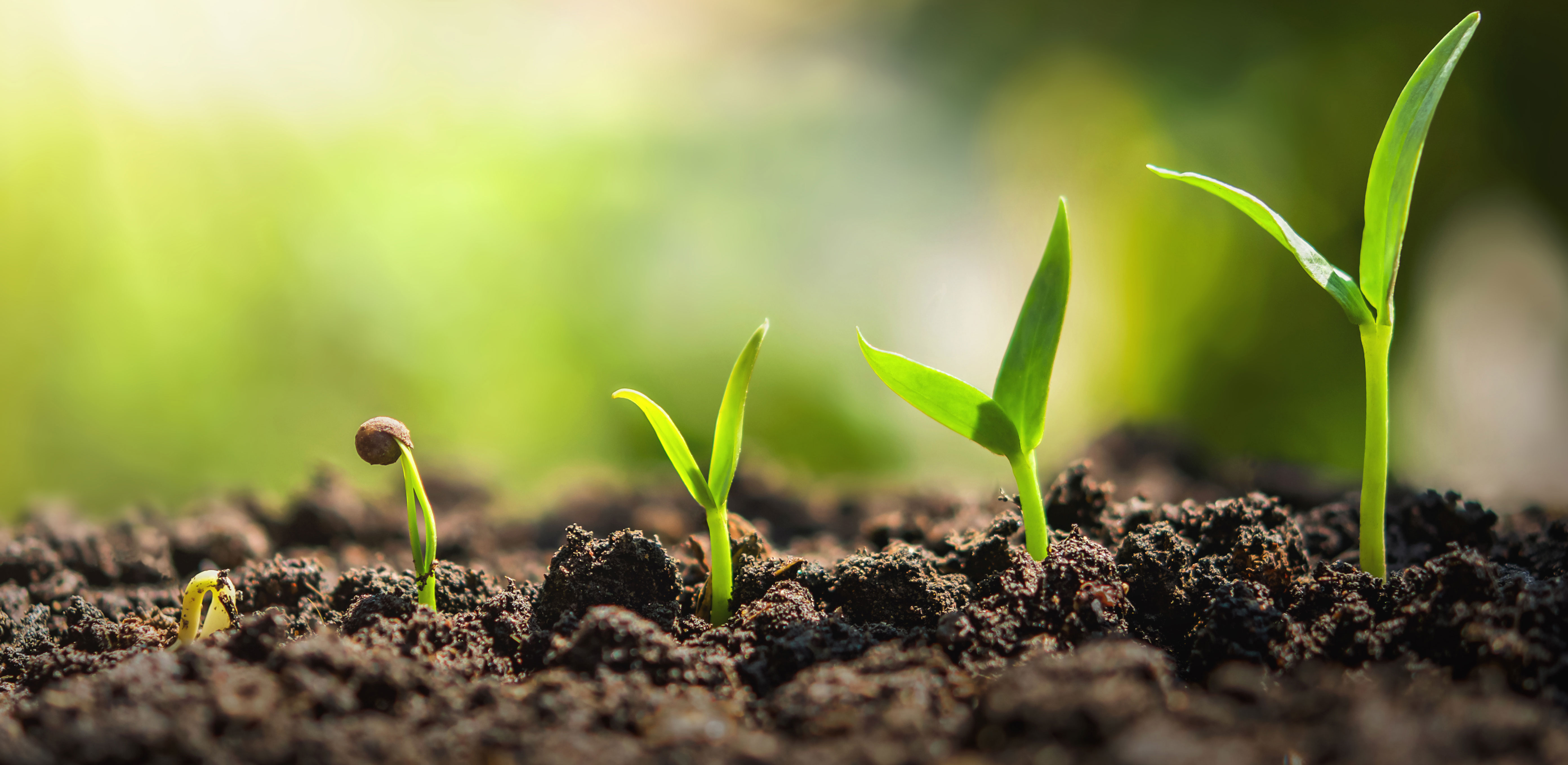
Imagine plucking sun-warmed, juicy tomatoes straight from your patio, even if you only have a small balcony or deck. The secret? Growing tomatoes in a 5-gallon bucket. This surprisingly easy method opens up the world of homegrown goodness to almost anyone, delivering a bounty of delicious tomatoes without the need for a sprawling garden. Plus, it's a fantastic way to control soil conditions and protect your precious plants from soilborne diseases.
Growing your own tomatoes is about more than just fresh produce; it's about flavor, control, and connection. Store-bought tomatoes often lack the intense taste of vine-ripened fruit. When you grow your own, you select the varieties, control the growing conditions, and harvest at peak ripeness. Bucket gardening makes this accessible, allowing you to cultivate prized heirloom varieties that are rarely found in stores. Plus, the mobility of buckets offers a strategic advantage – you can chase the sun, move plants indoors during unexpected frosts, and even protect them from heavy winds. And for those in colder climates, starting tomatoes indoors under grow lights before moving them to buckets outside dramatically extends the growing season. Right now, take a look at your available space and visualize where you'll place your tomato buckets to maximize sunlight exposure.
Choosing the Right Tomato Variety for Bucket Growing
The success of growing tomatoes in a 5-gallon bucket hinges on choosing the right variety. Not all tomato plants are created equal, and some are better suited for container life than others.
Determinate tomato varieties are often your best bet. These plants grow to a specific size, usually 3-4 feet tall, and produce all their fruit within a relatively short period. Bush Goliath, Roma, and Celebrity are popular determinate choices for containers. Their compact size makes them perfect for the limited space of a 5-gallon bucket, and their concentrated fruit production means you'll get a rewarding harvest. Indeterminate varieties, on the other hand, are vining plants that continue to grow and produce fruit throughout the season. While youcangrow indeterminate varieties in buckets, they require significant staking or caging and more frequent pruning to keep them manageable. If you choose an indeterminate variety like Early Girl or Sweet Million, be prepared to provide ample support and diligently remove suckers (the small shoots that grow between the main stem and branches) to encourage fruit production.
What are the best tomato varieties for container growing?
Determinate varieties such as Roma, Bush Goliath, and Celebrity are excellent choices. For indeterminate varieties, consider dwarf or bush types specifically bred for containers.
Setting Up Your Tomato Bucket Garden
Now, let's get our hands dirty! Here's a step-by-step guide to setting up your tomato bucket garden:
1.Choose Your Buckets: Standard 5-gallon buckets are readily available at hardware stores or even from restaurants (just be sure to clean them thoroughly). Ensure the bucket is food-grade, especially if repurposing one.
2.Drill Drainage Holes: Drainage is crucial. Drill at least 4-5 half-inch holes in the bottom of the bucket.
3.Select Your Soil: Don't use garden soil! It compacts too easily in containers. Instead, opt for a high-quality potting mix that is lightweight and well-draining. A mix of compost, peat moss (or coco coir as a sustainable alternative), and perlite is ideal.
4.Planting Your Tomato Seedling: Dig a hole in the center of the bucket that is deep enough to bury about two-thirds of the tomato seedling's stem. This encourages the plant to develop a stronger root system. Gently remove the seedling from its nursery pot and place it in the hole. Backfill with potting mix and gently firm the soil around the base of the plant.
5.Water Thoroughly: Water the newly planted seedling deeply until water drains out of the drainage holes.
Sunlight, Watering, and Feeding Your Tomato Plants
Tomatoes are sun-loving plants, requiring at least 6-8 hours of direct sunlight per day. Place your buckets in a sunny location that receives ample sunlight. In hotter climates, providing some afternoon shade can prevent the plants from getting scorched.
Watering is another critical aspect of tomato care. Water deeply and regularly, especially during hot, dry weather. Avoid overhead watering, which can lead to fungal diseases. Instead, water at the base of the plant, keeping the foliage dry. Mulching around the base of the plant with straw, wood chips, or shredded leaves helps retain moisture and suppress weeds. Keep a close eye on the soil moisture and adjust your watering schedule accordingly. A good rule of thumb is to water when the top inch of soil feels dry to the touch.
Tomatoes are heavy feeders and require regular fertilization to thrive. At planting time, mix a slow-release fertilizer into the potting mix. Throughout the growing season, supplement with a liquid fertilizer every 2-3 weeks. Look for a fertilizer specifically formulated for tomatoes, with a balanced N-P-K ratio (nitrogen, phosphorus, and potassium). A common choice is a 5-10-5 fertilizer, which provides a good balance of nutrients for vegetative growth and fruit production. Be careful not to over-fertilize, as this can lead to excessive foliage growth at the expense of fruit production.
Providing Support and Pruning
As your tomato plant grows, it will need support to prevent the stems from breaking under the weight of the fruit. Staking or caging are both effective methods. For determinate varieties, a simple stake may suffice. Insert the stake into the bucket near the plant and gently tie the stem to the stake with soft twine or plant ties. For indeterminate varieties, a sturdy tomato cage is essential. Place the cage around the plant early in its growth to provide ample support as it grows taller.
Pruning is another important aspect of tomato care, particularly for indeterminate varieties. Remove suckers regularly to encourage airflow and direct the plant's energy towards fruit production. Suckers are the small shoots that grow between the main stem and branches. Simply pinch them off with your fingers or use pruning shears.
How often should I prune my tomato plants in buckets?
Prune suckers weekly, especially on indeterminate varieties. Remove any yellowing or diseased leaves to improve airflow and prevent the spread of disease.
Common Problems and Solutions
Even with the best care, tomato plants can sometimes encounter problems. Here are a few common issues and how to address them: Blossom End Rot: This is caused by calcium deficiency, often due to inconsistent watering. Ensure consistent watering and consider adding calcium to the soil. Yellowing Leaves: This can be caused by nutrient deficiencies, overwatering, or underwatering. Check the soil moisture and adjust your watering schedule accordingly. Fertilize with a balanced tomato fertilizer. Pests: Aphids, whiteflies, and tomato hornworms are common tomato pests. Inspect your plants regularly and treat infestations promptly with insecticidal soap or neem oil. Diseases: Fungal diseases like early blight and septoria leaf spot can affect tomato plants. Improve airflow by pruning and spacing plants adequately. Apply a fungicide if necessary.
Harvesting and Enjoying Your Bounty
The moment you've been waiting for! Knowing when to harvest tomatoes is crucial for optimal flavor. Tomatoes are typically ready to harvest when they are fully colored, slightly soft to the touch, and easily detach from the vine. The color will vary depending on the variety. Gently twist or snip the tomato from the vine.
Once harvested, store your tomatoes at room temperature for the best flavor. Refrigeration can dull the flavor and texture. Enjoy your homegrown tomatoes in salads, sandwiches, sauces, or simply sliced with a sprinkle of salt and pepper.
Companion Planting and Crop Rotation for Container Tomatoes
Companion planting can greatly benefit your bucket tomatoes. Basil is a classic companion, known to improve tomato flavor and repel pests. Marigolds are also excellent companions, repelling nematodes and other harmful insects. Avoid planting tomatoes near members of the brassica family (cabbage, broccoli, kale) as they can compete for nutrients. After the tomato season, rotate your crops in the buckets. Plant a cover crop like clover or beans to replenish the soil with nutrients. This is especially important since you are using a contained environment.
What are good companion plants for tomatoes in buckets?
Basil, marigolds, and onions are excellent companion plants for tomatoes. Avoid planting near brassicas like cabbage or broccoli.
FAQ
Can I grow cherry tomatoes in a 5-gallon bucket?
Yes, cherry tomatoes thrive in 5-gallon buckets. Choose a determinate variety for a bushier plant or an indeterminate variety with strong support.
How many tomato plants can I grow in a 5-gallon bucket?
It's generally best to grow only one tomato plant per 5-gallon bucket to ensure adequate space for root development and nutrient uptake.
What is the best soil p H for growing tomatoes in buckets?
The ideal soil p H for tomatoes is between 6.0 and
6.8. You can test your soil p H with a simple soil testing kit and amend it with lime or sulfur as needed.
Do I need to add drainage material to the bottom of the bucket?
No, adding gravel or rocks to the bottom of the bucket is not necessary and can actually hinder drainage. Focus on using a well-draining potting mix and ensuring adequate drainage holes.
Can I use grow lights for tomatoes in buckets?
Yes, grow lights are beneficial, especially when starting seedlings indoors or for extending the growing season. Use full-spectrum LED grow lights and position them 6-12 inches above the plants for 14-16 hours per day.
How do I prevent blossom end rot in my bucket tomatoes?
Ensure consistent watering and maintain adequate calcium levels in the soil. You can add crushed eggshells or bone meal to the potting mix as a source of calcium. A calcium-magnesium supplement can also help.
With these tips, you're well on your way to enjoying a bountiful harvest of homegrown tomatoes. Don't wait any longer – grab a bucket, some potting mix, and your favorite tomato seedlings, and start your own tomato bucket garden today!

Post a Comment